A Comparative Guide to Wool vs. Other Insulating Materials in Bedding
A thoughtful exploration of how wool stacks up against cotton, down, and synthetic fills in the realm of bedding. This guide weighs warmth, moisture management, durability, and care considerations to help readers choose the right option for their sleep environment.
Wool has long held a place of quiet prominence in the bedroom, not merely as a textile but as a system: a composite of fibers, weave, and finish that interacts with the body’s own rhythms. It thrives in the in-between moments of temperature shifts—the cool air of early morning, the rising warmth of a late afternoon sun, the shifting humidity of a bedroom during seasonal transitions. To understand how wool compares to other insulators, we must consider both material properties and the lived realities of daily use: how much warmth is needed, how moisture is managed, how easy it is to care for the piece, and how it ages with time.
This comparative guide looks beyond the marketing gloss and toward the tactile, measurable aspects that affect your comfort. It draws on established textile knowledge, field-tested care practices, and the practical lens of real-world bedding choices—from the wool-blessed comforters that regulate temperature naturally to cotton blankets that soothe with breathability and lightness, down fillings that trap warmth with feather-light weight, and synthetic fills that promise uniformity and resilience in a busy, modern home.
Warmth and climate suitability
Wool is celebrated for its innate ability to balance warmth with breathability. Its crimped fiber structure traps air, creating a natural insulation layer that adapts with body heat. In cooler climates or winter months, wool blankets and comforters can provide substantial warmth without the stiff heaviness associated with some synthetic fills. The fibers wick moisture away efficiently, allowing for a sense of dryness even when the room humidity rises—a crucial factor in maintaining thermal comfort through the night.
When the environment shifts toward warmer seasons, wool’s moisture management continues to work in its favor. It tends to regulate temperature by releasing excess heat and moisture, helping sleepers avoid overheating. For some individuals, this balance translates into fewer awakenings caused by night sweats, resulting in deeper, steadier sleep. The effect is more pronounced in multi-layer bedding setups, where wool can act as a stable core layer while lighter blankets or duvet covers adapt to changing needs.
In contrast, cotton blankets—especially those woven with longer staple fibers and finished with puckered textures or crisp weaves—emphasize breathability and lightness. They excel in temperate climates or for sleepers who run warmer in the night. Cotton tends to feel cooler to the touch and can be excellent in environments where humidity is not extreme. Down fillings, particularly high-fill-power down, trap heat efficiently and provide exceptional warmth with a feather-light feel. They perform best when the room stays consistently cool or when a sleeper needs robust warmth without bulk. Synthetic fills, such as polyester or hollow-core fibers, offer consistent loft and warmth and are often more affordable. However, they may trap heat in some conditions and can feel less breathable than natural fibers over long periods.
Moisture management and odor control
Wool’s moisture management is among its most lauded attributes. Wool fibers can absorb significant amounts of moisture—up to about one-third of their weight—without feeling wet. This capacity helps maintain a dry, comfortable sleeping surface even when the air feels muggy or when sleepers sweat slightly during the night. The result is reduced clamminess and a more stable microclimate around the body. Additionally, wool resists odor absorption to a meaningful degree, which can translate into longer intervals between launderings and a more hygienic use cycle in many homes.
For bedding otherwise woven from cotton or synthetic fills, moisture handling depends on fabric structure and fiber properties. Organic cotton tends to breathe well and feels dry to the skin, though its moisture-handling capacity is generally less dynamic than that of wool in variable sleeping conditions. Down, while excellent at loft and warmth, can retain moisture if exposed to humidity, potentially leading to dampness in certain environments. Synthetic fills can trap moisture in some circumstances, though many modern blends incorporate moisture-wicking technologies; however, they often do not match natural fibers for long-term breathability.
Odor control follows a similar logic. Wool’s natural properties include a degree of resistance to odor molecules, partly due to its moisture management and the structure of the fiber surface. This can translate into a perceived freshness after nights of use, particularly in households with high humidity or where laundry frequency is a concern. Cotton, while breathable, may hold onto odors more readily if the weave is dense or if laundering is infrequent. Down fills can also absorb odors if the fill is not properly processed or if the shell is not kept clean. Synthetic fills vary by chemical composition, with some blends designed to resist odors more effectively than others but sometimes at the cost of breathability or warmth.
In practical terms, readers should weigh their climate, laundry habits, and sensitivity to odors when selecting a bedding fill. Wool offers a compelling combination of warmth, dryness, and fresh feel with less frequent washes in typical households, while cotton remains a strong choice for those prioritizing lightweight, breathable layers and easy cleaning routines.
Maintenance, care, and longevity
Care requirements are not merely procedural; they shape the lifespan and performance of a bedding piece. Wool, when properly cared for, can last for years due to its resilience, natural elasticity, and self-cleaning tendencies to some extent. The general guidance leans toward spot cleaning for minor stains, occasional sunning to refresh the fibers, and professional cleaning for deeper refreshment when the fill is particularly delicate or when the care label specifies. Separating the layers—shell from fill—during cleaning helps maintain loft and prevents clumping. With wool, it is common to avoid frequent machine washing; instead, airing and limited, gentle cleaning preserve integrity and extend usable life.
Cotton blankets are typically machine washable, with many blends designed to hold color and resist shrinkage when washed according to the manufacturer’s directions. They can endure regular laundering, which makes them an appealing option for busy households or environments with children in the room. Down and synthetic fills demand more precise care: down often benefits from gentle laundering by specialists to restore loft and avoid clumping, while synthetic fills may be machine washable but can lose loft over time if washed aggressively. The balance between care effort and performance should influence the buyer’s choice as much as the warmth and comfort themselves.
Practical buying guidance: what to look for
Fiber content and weave are foundational indicators of performance. When evaluating wool vs. other insulators, consider the following:
- Fiber content: Is the product truly wool (and what type, such as merino, lambswool, or other species) or a blend? The proportion of wool to other fibers influences warmth, softness, and moisture management.
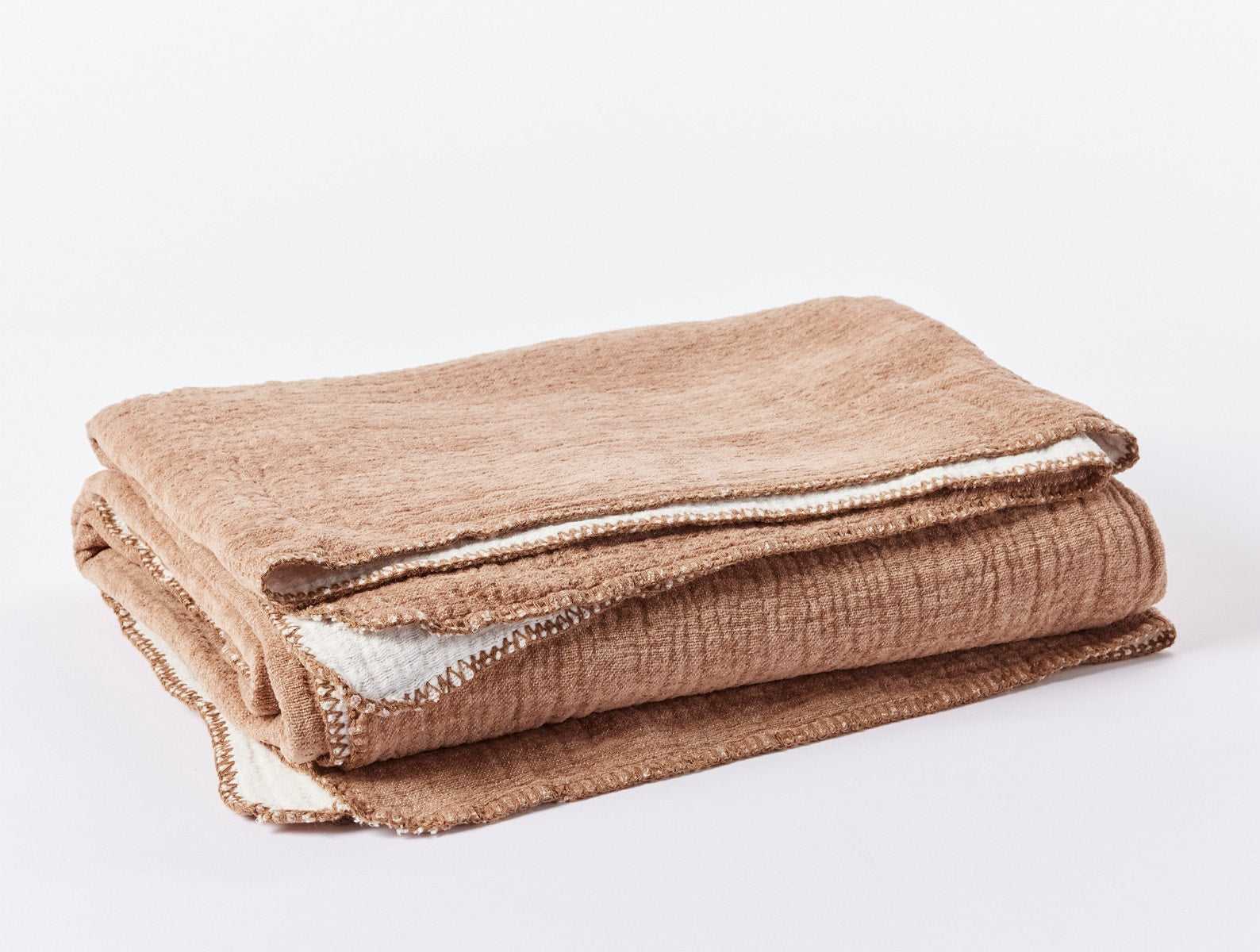
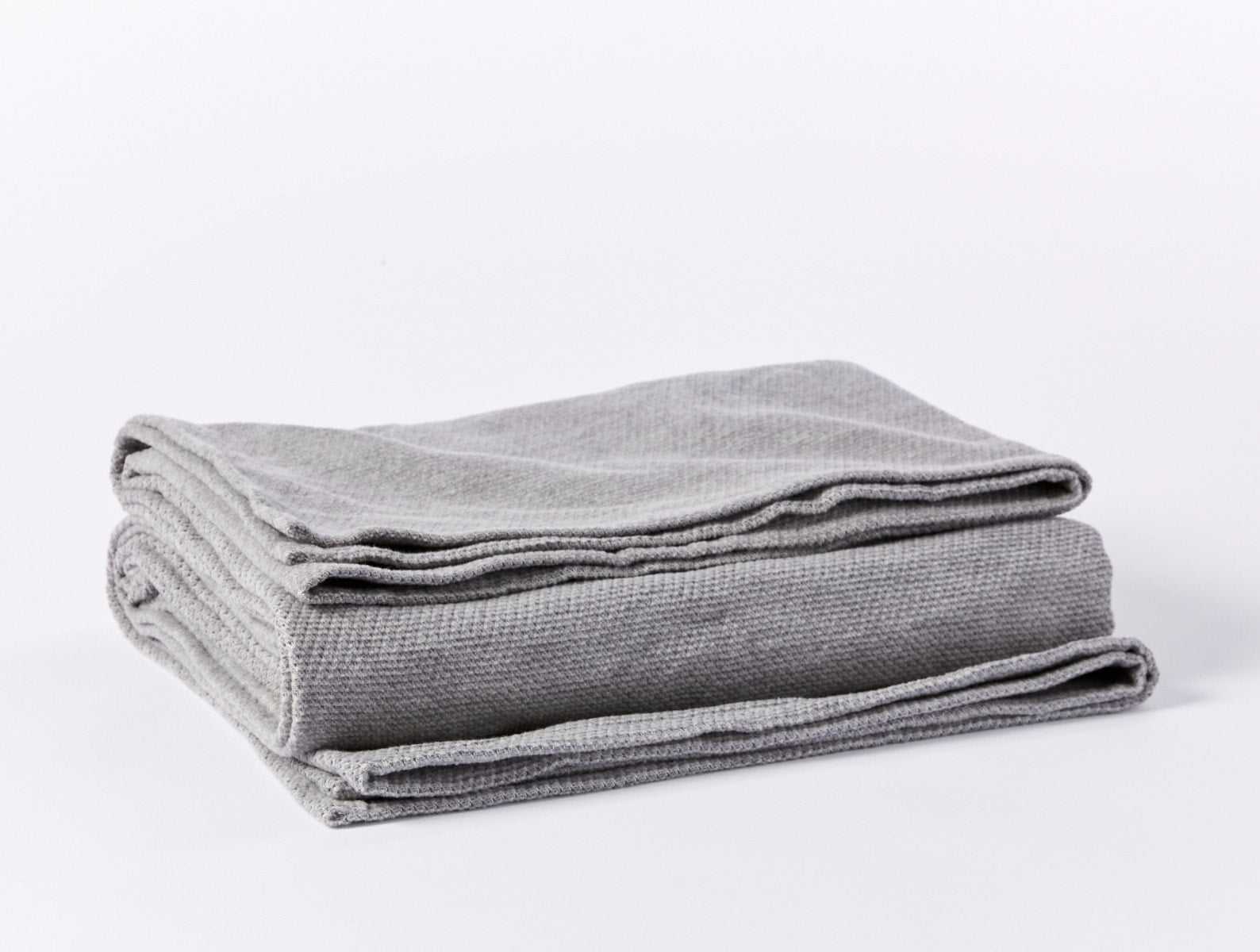
- Weave and construction: A tight weave can improve warmth but reduce breathability, while brushed or looped finishes can enhance softness and loft. In the case of combining cotton with wool, look for fibers twisted before weaving to create depth and to ensure balanced texture.
- Certifications: Look for GOTS (Global Organic Textile Standard) or OKO-TEX certifications when possible. These signals reflect responsible fiber sourcing and chemical safety practices that matter for long-term health and environmental impact.
- Acknowledged brands: While this article does not promote specific products, it acknowledges the roles of reputable names in the space—Sleep & Beyond, Naturepedic, Coyuchi, and similar brands—as reference points for understanding material choices and care expectations in modern bedding ecosystems.
Scale and seasonality are practical considerations. For a climate with variable temperatures, a modular approach—adding and removing layers—works well. Wool-based layers can act as a robust core that you top with lighter cotton or linen sheets, while down or synthetic fillings can be added for peak winter months. In warmer climates, a lighter Sequoia-woven cotton-wool throw or a 100% organic cotton blanket can provide comfortable layering without overwhelming the senses. The overarching principle is to align the layer’s warmth with your personal comfort range, the season, and the ambient environment.
Finally, consider maintenance routines that fit your lifestyle. A wool-centric setup invites a more mindful approach to care—spot cleaning, occasional sunning, and professional refreshment as needed. A cotton-centered system invites routine machine washing and straightforward laundering for busy households. Your choice should reflect not only warmth and texture but also the rhythms of daily life, laundry habits, and the willingness to maintain the bedding’s integrity over time.
Reader picks and practical conclusions
In the end, the decision hinges on a balance of climate, care, and personal preference. Wool stands out for its warmth-without-overheating dynamic, its dryness and odor resistance, and its longevity when cared for with respect to its natural properties. Cotton offers breathability, ease of care, and a lighter touch that suits milder climates or households seeking a cooler feel. Down remains a benchmark for maximum warmth-to-weight ratio, best matched to environments and sleepers who thrive in cooler rooms or who crave loft and weightless warmth. Synthetic fills provide consistency and affordability, but they may not deliver the same moisture management or breathability as natural fibers over long-term use.
As you curate a bedding ecosystem, think of wool not merely as a single product but as part of a broader textile conversation—an approach that values materiality, production ethics, and daily comfort. The wool blanket or wool-filled comforter should harmonize with the other layers of your bed: the sheet, the pillow, and the decorative throws, creating a sleeping environment that feels coherent, intentional, and ultimately restorative.
Related reads and further exploration
For readers seeking to deepen their understanding of wool’s role in home textiles, consider exploring core topics such as “A Guide to Wool Types,” “The History of Wool Blankets in Europe,” and care guides like “How to Wash a Wool Blanket” and “Wool vs Cotton: Practical Comparisons.”
In the broader context of bedding, other materials and blends—from organic cotton to blended wool-cotton fabrics and washable wool options—offer a spectrum of performance. The emphasis remains on selecting textiles that respect both the body and the planet, balancing warmth, breathability, and ease of care across the seasons.
Product notes and caveats
In case you’re curious about concrete examples and places to start exploring, note that this guide references a range of wool and cotton products across the bedding spectrum. Some offerings align with the Sequoia family—blends of organic cotton and organic wool, machine washable and certified with responsible fiber sourcing. Others point to classic wool blankets and premium woven pieces that emphasize hand feel and longevity. When evaluating such products, prioritize fiber composition, care instructions, and any certifications that signal sustainable and ethical production. The goal is to find a bedding system that remains comfortable and viable for the long haul, season after season.