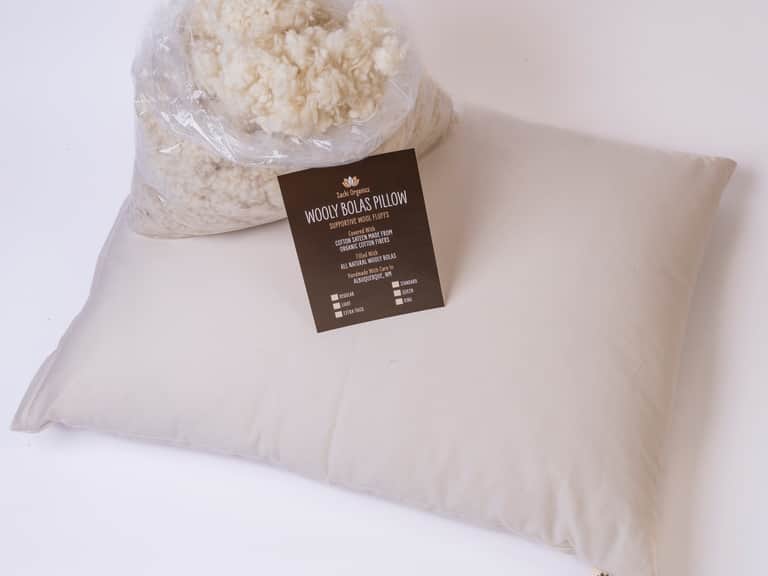
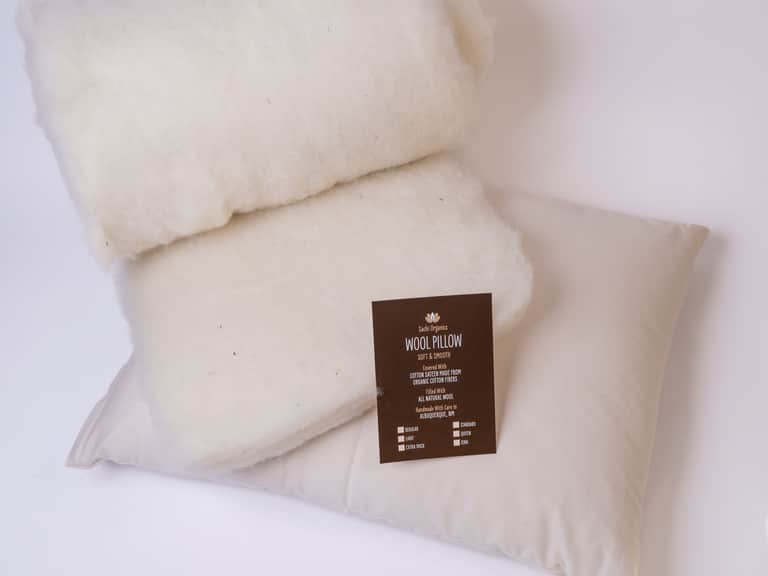
Wool is a natural, highly versatile fiber prized for its warmth, breathability, and enduring comfort. In this category, fibers derived from sheep wool offer insulating properties that help regulate temperature across seasons. Understanding the structure of wool, including crimp, moisture-wicking capability, and felted resilience, illuminates why wool blankets and pillows perform well in varied environments.
Key characteristics of wool products include fiber elasticity, which provides shape retention and softness over time, as well as natural flame resistance and odor resistance. For bedding applications, these traits translate to durable textures, reduced need for artificial additives, and a comfort profile suitable for sensitive skin when choosing hypoallergenic wool options.
Among highlighted products, Sleep and Beyond myWool Pillow emphasizes adaptive support and cushioning that align with multiple sleep positions, while Natural Wool Pillow – Soft and Supportive focuses on a balanced combination of plush feel and structural resilience. Both target comfort and spinal alignment, leveraging wool’s loft and temperature regulation to minimize pressure points.
Wool blankets and pillows are well-suited for nursery environments, as wool’s breathable fibers help maintain a stable microclimate around a child. This makes wool a practical option for infants and growing kids, supporting safe, soothing warmth without excessive moisture accumulation and contributing to restful sleep moments.
In addition to comfort, wool offers sustainability benefits, including biodegradability and renewability. When considering bedding materials, the interplay of bedding, pillows, latex, and natural wool options supports varied preferences for durability, tactile feel, and allergen considerations in modern sleep environments.
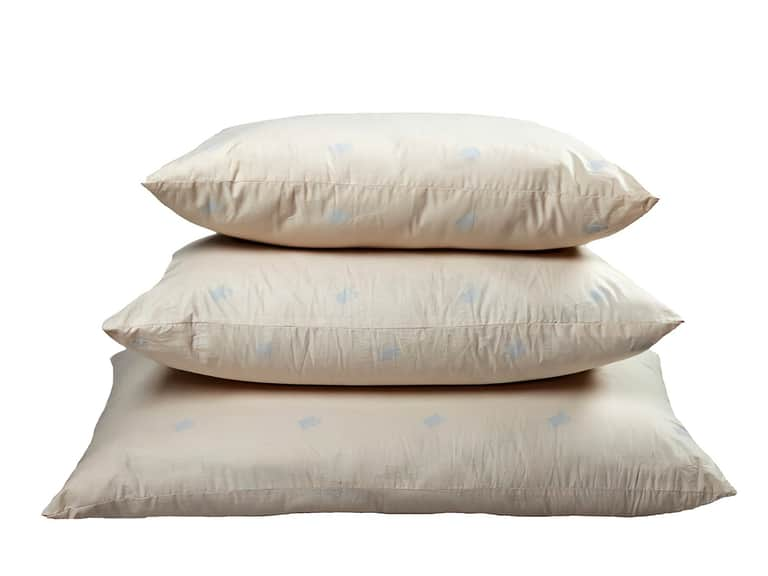 Bedding